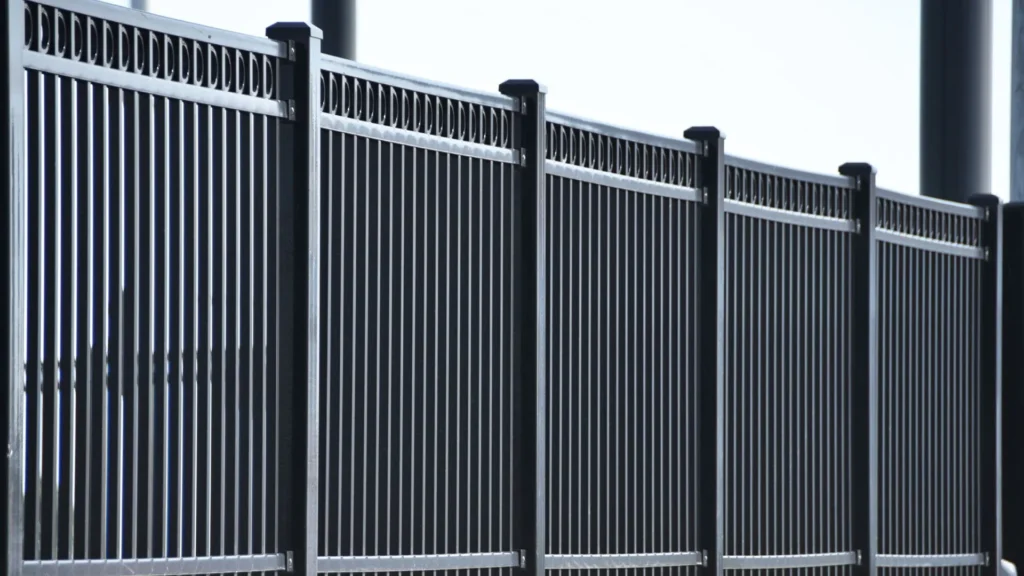
Overlooking specific details during your aluminum fence installation in Cumberland, RI, can lead to costly mistakes and safety issues. Familiarizing yourself with common pitfalls-like improper post spacing and insufficient grounding-will help ensure a secure and aesthetically pleasing fence. By paying attention to local regulations and climate considerations, you can avoid potential legal and maintenance challenges. This guide will equip you with the knowledge needed to avoid mistakes that could compromise your installation and long-term satisfaction with your aluminum fence.
Key Takeaways:
- Ensure proper measurement and layout before installation to avoid errors in alignment and spacing.
- Use the appropriate tools and materials to secure durability and stability of the fence.
- Check local regulations and property lines to avoid legal issues and disputes with neighbors.
Choosing the Right Aluminum Fence
Selecting an aluminum fence involves understanding your specific needs, aesthetic desires, and local requirements. Prioritize quality and durability to ensure that your fence withstands the elements and complements your property. Consider the height, style, and finish that best fit your landscape and provide the privacy or security you’re seeking.
Understanding Local Regulations
Compliance with local zoning laws and regulations is vital when installing an aluminum fence. In Cumberland, you must check setback requirements, height restrictions, and any necessary permits. Neglecting these local guidelines can lead to costly adjustments or fines, so always verify the rules before proceeding.
Selecting the Correct Material Grade
The grade of aluminum used for your fence significantly impacts its performance and longevity. Generally, residential fences are made from 6005-T5 or 6063-T5 aluminum, known for their balance of strength and lightweight properties. Understanding these grades helps you choose one that suits your environmental conditions and intended use.
When selecting the right material grade, consider the specific requirements of your installation environment. For instance, if your fence will face harsh weather conditions or high traffic areas, opting for a higher grade, such as 6005-T5, offers enhanced durability and resistance to corrosion. You may come across different coatings and finishes that also contribute to the overall strength, so pay attention to these details to ensure your fence will last for years while maintaining its appearance.
Preparing the Site for Installation
Preparation is imperative when installing your aluminum fence. Begin by studying the landscape and identifying any obstacles that may impede the installation process, such as trees, shrubs, or existing structures. For a detailed approach, consult this Expert Guide: Installing Aluminum Fences Correctly. Proper site preparation will save you time and headaches down the line.
Conducting a Property Survey
Conducting a property survey is vital before installation. Ensure you know the exact boundaries of your property and verify any zoning regulations or homeowner association guidelines that may influence fence placement. This will help prevent potential disputes with neighbors or legal challenges in the future.
Clearing the Installation Area
Clearing the installation area is a necessary step for a smooth installation. Remove any obstructions like rocks, debris, or vegetation from the planned fence line to create a clean, level surface. This not only facilitates easier digging and alignment but also enhances the aesthetics and longevity of your fence.
Take your time to thoroughly clear the area, as failure to do so may lead to uneven installation and potential damage to the fence over time. Additionally, check for underground utilities before digging post holes to prevent hazardous encounters. Implementing these measures will help ensure a clean and effective installation of your aluminum fence.
Planning the Layout
Successful aluminum fence installation hinges on meticulous planning of the layout. Begin by assessing your yard’s dimensions and identifying the areas you want to enclose. Incorporate local building codes and property lines to avoid disputes with neighbors. Use at least three reference points to establish straight lines, which gives you a clear vision of your fencing path and ultimately sets the stage for a professional-looking installation.
Marking the Fence Line
Marking the fence line accurately is necessary for precise installation. Use stakes and string to outline the area, ensuring it accurately reflects your intended layout. This method provides a clear visual guide while helping you visualize how the fence will fit within your yard. Double-check your measurements to avoid unexpected adjustments later.
Determining Gate Locations
Choosing the ideal locations for gates is vital for practical use and aesthetics. Gates should be placed where they provide convenient access, such as near driveways or walkways. Ensure the gates are easily reachable while complementing the fence’s overall design. Consider traffic flow and potential obstructions that could hinder usage.
Additionally, the size of your gates plays a significant role in functionality. For example, if you plan on using the gate for larger equipment, like lawnmowers, make sure it is wide enough to accommodate those needs. It’s advisable to select heavy-duty hardware for gate installations to withstand daily use and consider positioning gates slightly away from property lines to allow for easier opening and closing. Take time to ponder both frequency of use and the visual appeal when determining placement, as this can drastically enhance both accessibility and the overall design of your fence.
Installation Techniques
Employing correct installation techniques is vital for ensuring your aluminum fence stands the test of time. Precision in each step will not only enhance the aesthetic appeal but also guarantee the durability and security of your fencing. Ensure you have the right tools on hand and are familiar with the specific installation guidelines provided by the manufacturer.
Proper Digging for Post Holes
Effective post hole digging is necessary for stabilizing your aluminum fence. Aim for holes that are at least one-third of the post height, which typically ranges between 24 to 36 inches deep depending on your fence height. This depth offers a solid foundation to counteract wind and soil movement.
Securing Fence Panels Correctly
Ensuring your fence panels are secured properly minimizes movement and damage over time. Use strong brackets and screws to fasten panels to posts, leaving no gaps that could allow for bending or tilting. Confirm that your panels are level before permanently attaching them, which prevents costly adjustments later.
A solid panel attachment involves more than just screws; consider using high-quality brackets designed for aluminum fences, as they offer better durability against weather elements. Utilize a level to double-check each section before securing it completely, as even slight misalignments can lead to uneven appearances and increased stress on the fence material. Additionally, employing a rubber mallet can help in adjusting posts without damaging them, allowing for precise fitting of the panels. Regularly inspect the securing mechanism to ensure that they remain tight over time.
Common Mistakes During Installation
Proper installation of your aluminum fence can be drastically impacted by avoiding common pitfalls. Neglecting vital aspects such as the ground level and existing utilities can lead to costly repairs and safety hazards. By staying aware of these details, you can ensure a seamless installation that enhances your property.
Overlooking Ground Level
Failing to assess the ground level before installation can lead to an uneven fence. This not only affects the aesthetic appeal but also impacts the durability of the structure. Ensure that the fence follows the natural contour of your yard to prevent stress on the panels.
Neglecting to Check for Utilities
Not checking for utilities before digging can result in serious consequences, including damage to underground lines. You risk injuring yourself or disrupting service to your home and neighbors. Prioritize safety by contacting local utility companies to identify underground infrastructure.
Neglecting to check for utilities can lead to fines, service interruptions, or even potential legal liabilities. In Cumberland, RI, utilities like gas, electricity, and water often run through residential yards. It is necessary to call 811, a national service that can help identify what lies beneath, ensuring you dig safely and avoid a costly mishap when installing your aluminum fence. Always make this a non-negotiable step in your installation process.
Maintenance Tips for Longevity
To keep your aluminum fence in optimal condition, consistent maintenance is important. Regular cleaning and inspections can significantly prolong its lifespan. Implement the following practices:
- Inspect for any signs of wear or damage, including rust spots.
- Clean your fence regularly to remove dirt and debris.
- Look for loose or corroded hardware and tighten or replace as necessary.
- Protect against the elements by applying a protective sealant periodically.
Assume that routine care can greatly reduce the need for costly repairs or replacements.
Regular Inspections
Conducting regular inspections of your fence allows you to detect issues early. Schedule checks every few months, especially after severe weather. Look for any signs of damage, such as bent or loose panels, and ensure that the bottom rail stays above grass or vegetation to prevent rusting.
Cleaning and Care
Keeping your aluminum fence clean is vital for maintaining its appearance and structural integrity. Use a mild soap solution and soft brush for gentle scrubbing, ensuring you rinse thoroughly afterward. Avoid abrasive cleaners that can scratch the surface, and aim to clean at least once a year or more often if needed.
For added care, pay attention to the areas around the base of the fence. Weeds and grass should be regularly trimmed to prevent moisture retention, which can lead to corrosion. A garden hose or power washer can effectively clear away dirt without damaging the fence. This proactive approach helps maintain the aesthetics of your fence while extending its lifespan.
Conclusion
Installing an aluminum fence in Cumberland, RI becomes far more successful when you understand the common mistakes that often lead to costly delays or structural issues. Careful planning, accurate measurements, proper material selection, and compliance with local regulations all play a major role in achieving a secure and visually appealing result. By avoiding errors like uneven post placement, skipping property surveys, or neglecting utility checks, you protect your investment and ensure long term performance. With thoughtful preparation and attention to detail, your aluminum fence can add lasting value, security, and beauty to your property.
For homeowners who want expert support or a flawless installation from start to finish, Champion Fence, LLC is here to help. Our team brings local experience, reliable service, and quality craftsmanship to every project. Contact Champion Fence, LLC today to schedule your consultation and get the fence your property deserves.