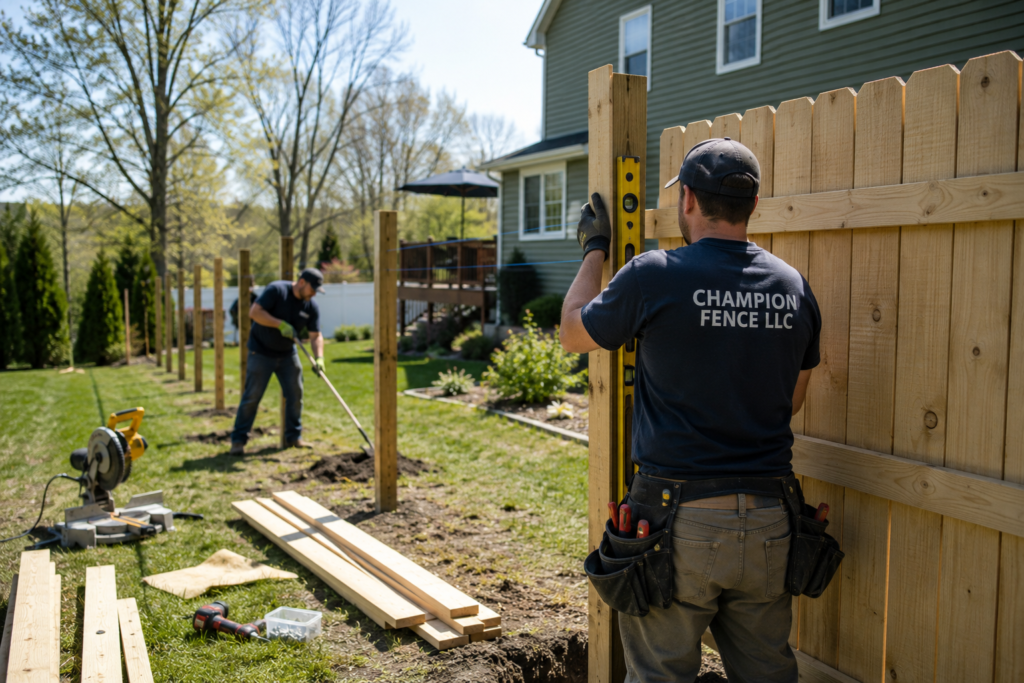
Fence installation in Massachusetts can move quickly once the layout, material, and schedule are ready. But the full timeline is more than the installation day itself. Homeowners should also plan for the estimate, material selection, property line review, scheduling, yard preparation, installation, cleanup, and final walkthrough.
A simple fence project may be more straightforward, while a larger privacy fence, pool fence, commercial fence, or fence with several gates can take more planning. Weather, yard access, ground conditions, town requirements, and material availability can also affect the timeline.
Key Takeaways
- Fence installation timing depends on the material, fence length, gates, yard conditions, and weather.
- The full process starts with an estimate and ends with cleanup and final walkthrough.
- Wood, vinyl, chain link, aluminum, and commercial fences can each have different installation needs.
- Massachusetts weather can affect digging, post setting, and scheduling.
- Homeowners can help avoid delays by choosing materials early, clearing the fence line, checking property lines, and confirming gate locations before installation day.
How Long Does Fence Installation Take in Massachusetts?
The actual fence installation may only be one part of the full project timeline. Before the crew begins work, the homeowner usually needs an estimate, material choice, layout plan, and scheduled installation date.
The timeline can vary based on:
- Fence material
- Fence length
- Fence height
- Number of gates
- Old fence removal
- Sloped or uneven ground
- Property access
- Weather
- Permit or HOA requirements
- Material availability
A small chain link fence may move faster than a large vinyl privacy fence or a commercial security fence. A simple backyard layout is also easier to schedule and install than a project with multiple gates, corners, slopes, or pool safety needs.
Step 1: Requesting a Fence Estimate
The first step is requesting a fence estimate. This helps the contractor understand what you need, where the fence will go, and what material may work best for your property.
Before asking for an estimate, it helps to know:
- Your property location
- The main reason for the fence
- The area you want fenced
- Your preferred material
- The rough fence length
- How many gates you may need
- Whether an old fence needs to be removed
- Whether the yard has slopes, trees, rocks, or tight access areas
You do not need to have every answer before calling. A professional fence company can help you compare options, but having basic details ready can make the estimate process smoother.
Step 2: Choosing the Fence Material and Layout
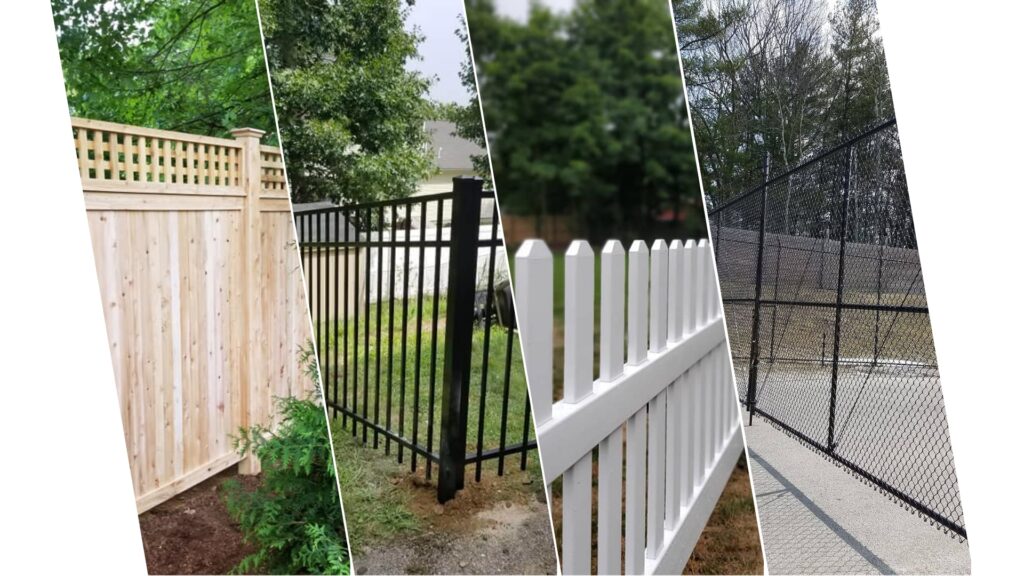
Your fence material can affect both the planning and installation timeline. Each material has different installation needs.
Chain Link Fence
Chain link fencing is often straightforward for pet areas, large yards, commercial spaces, and basic boundaries. It can be a practical option when visibility and function matter more than privacy.
Wood Fence
Wood fencing is common for privacy and a natural look. A wood privacy fence may need more planning around height, post placement, board style, and long-term maintenance.
Vinyl Fence
Vinyl fencing is popular for homeowners who want privacy with lower maintenance. It requires careful post and panel alignment, especially on sloped or uneven yards.
Aluminum Fence
Aluminum fencing is often used for front yards, pool areas, and decorative boundaries. The layout may need extra attention around gates, slopes, and pool access points.
Commercial Fence
Commercial fencing may take more planning because it often involves access control, security needs, parking areas, dumpsters, delivery zones, or larger property lines.
Choosing the right material early helps prevent delays later. Last-minute material changes can affect pricing, ordering, scheduling, and installation planning.
Step 3: Checking Property Lines, Permits, and HOA Rules
Before installation, homeowners should have a clear idea of where the fence can go. Property line questions can delay a project if they are not handled early.
Important things to check include:
- Property lines
- Easements
- HOA rules, if applicable
- Town or city fence requirements
- Pool fence rules, if the fence is around a pool
- Height limits
- Corner lot visibility concerns
HOA approval is separate from town approval. Even if your HOA approves a fence style, you may still need to check local rules. If you are unsure about property lines, a survey may be needed before installation.
For permit, pool, or code-related questions, always confirm with your local town or city office before the project starts.
Step 4: Scheduling the Installation
After the estimate is approved and the material is selected, the project can move into scheduling. This part of the timeline depends on the contractor’s availability, material availability, weather, and project size.
In Massachusetts, spring and summer are often busy seasons because homeowners want fences installed before pool season, backyard gatherings, or new pet routines. Fall can also be a good time to schedule before winter weather arrives.
Scheduling may also depend on:
- Crew availability
- Material delivery
- Weather forecast
- Ground conditions
- Project complexity
- Old fence removal
- Access to the property
Approving the estimate quickly and finalizing the material choice can help keep the project moving.
Step 5: Preparing Your Yard Before Installation Day
Good preparation can prevent small issues from slowing down the crew. Before installation day, clear the work area as much as possible.
Homeowners should:
- Move patio furniture away from the fence line
- Clear toys, garden tools, and decorations
- Unlock gates or access points
- Keep pets indoors or away from the work area
- Move vehicles if they block access
- Mark sprinkler heads or private underground lines you know about
- Trim brush or low branches near the fence line
- Confirm gate locations
- Discuss old fence removal before the crew arrives
If there are underground sprinkler lines, lighting wires, drainage pipes, or other private utilities in the yard, tell the contractor before digging begins.
Step 6: What Happens During Fence Installation
The installation process depends on the fence type, but most projects follow a similar path.
Layout Marking
The crew marks the fence line, confirms corners, and checks where gates will go. This step helps make sure the fence follows the approved layout.
Post Hole Digging
Post holes are dug along the fence line. Soil, roots, rocks, or wet ground can affect how quickly this step goes.
Setting the Posts
Posts are placed and set to support the fence. Strong posts are one of the most important parts of a long-lasting fence.
Installing Rails, Panels, Fabric, or Sections
The next step depends on the material. Wood fences may use rails and boards. Vinyl fences use posts, rails, and panels. Chain link fences use posts, rails, fabric, and tensioning. Aluminum fences use posts and pre-built sections.
Hanging Gates
Gates need careful alignment so they open, close, and latch properly. Gate installation may take extra time because hinges, latches, and clearances need to be checked.
Cleanup and Final Walkthrough
After installation, the crew cleans up the work area and checks the fence. The homeowner should review the layout, gate operation, and finished work.
What Can Delay a Fence Installation?
Fence projects can be delayed for reasons that are not always obvious at the start.
Common delays include:
- Heavy rain
- Frozen ground
- Wet or soft soil
- Snow or storms
- Material backorders
- Permit or HOA delays
- Unclear property lines
- Old fence removal
- Tree roots or rocks
- Buried obstacles
- Last-minute layout changes
- Added gates or design changes
- Limited access to the yard
Some delays can be avoided with early planning. Others, like weather, may be outside anyone’s control.
Fence Installation Timeline by Project Type
Different fence projects have different planning needs.
Project Type | Timeline Notes |
Small chain link fence | Often more straightforward if the layout and access are simple |
Wood privacy fence | May take longer depending on height, length, gates, and style |
Vinyl privacy fence | Needs careful post and panel alignment |
Aluminum fence | Often requires careful layout around gates, slopes, and pool areas |
Pool fence | May need extra planning for gate placement and local safety requirements |
Commercial fence | Can take longer because of access, security needs, and property size |
Temporary fence | Often faster than permanent fencing, depending on the site and project size |
This is why two fence projects in the same town can have very different timelines. A small side-yard fence and a full backyard privacy fence are not the same type of job.
When Is the Best Time to Schedule Fence Installation in Massachusetts?
Fence installation can happen during different seasons, but each season has different things to consider.
Spring
Spring is a popular time because homeowners want their yards ready for summer. It can also be a busy season, so it is smart to schedule early.
Summer
Summer is common for privacy fences, pool fences, pet fencing, and backyard upgrades. Weather is usually easier to work with, but contractor schedules may fill up quickly.
Fall
Fall can be a good time to install a fence before winter. It is also helpful for homeowners who want privacy, pet control, or property boundaries in place before snow and colder weather.
Winter
Winter installation may be possible in some cases, but frozen ground, snow, storms, and cold weather can affect scheduling and installation conditions.
The best time to schedule depends on your project goals, material choice, and how soon you want the fence completed.
Plan Your Fence Installation With Champion Fence LLC
If you are planning a fence project in Bellingham, MA or nearby Massachusetts and Rhode Island communities, Champion Fence LLC can help you choose the right material, plan the layout, and understand what to expect before installation begins.
Whether you need residential fencing, commercial fencing, vinyl, wood, chain link, aluminum, temporary fencing, gates, or fence repair, starting with a clear fence estimate is the best way to plan your timeline.