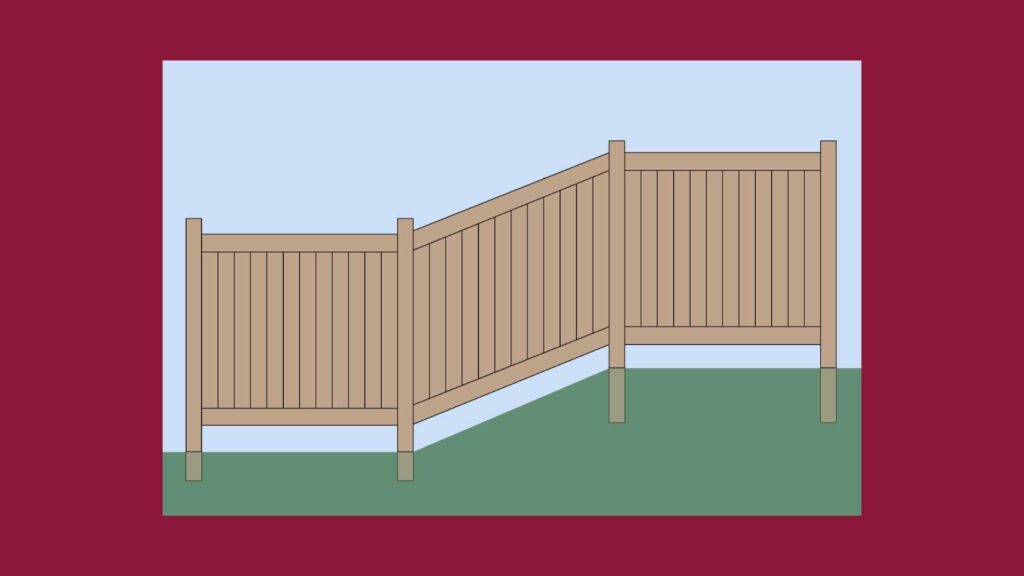
Over sloped yards in Pawtucket, you can install aluminum fencing using stepped or racked panels, but watch for soil erosion and post instability; choose reinforced posts and proper drainage to ensure long-term durability.
Key Takeaways:
- Aluminum fencing can be installed on sloped yards in Pawtucket using stepped or racked (contour) panel methods; rackable panels follow grade while stepped installations keep rails level with staggered posts.
- Proper post footings, spacing, and attention to drainage and freeze-thaw soil conditions common to northern Rhode Island contribute to long-term stability; verify Pawtucket setback and permit requirements before starting.
- Hiring an experienced installer or selecting rackable panels and adjustable posts simplifies gate alignment, maintains a consistent top line, and reduces onsite cutting or rework.
Understanding Pawtucket’s Topography and Grade Challenges
Pawtucket’s varied grades include steep hills and modest inclines; you should account for erosion risks and drainage when siting aluminum fencing, as uneven ground affects post stability and aesthetics.
Common Soil and Terrain Profiles in Rhode Island
Glacial tills, sandy deposits, and pockets of clay make Rhode Island soils mixed; you must consider poorly draining clay and shallow bedrock when setting fence posts to avoid shifting.
Identifying the Degree of Slope on Your Property
Measure slope with a level and tape or a smartphone app to calculate percentage; knowing the grade percentage tells you whether posts need stepped installation or retaining measures.
Check slopes by stretching a string between stakes, measuring vertical rise over run, then dividing rise by run and multiplying by 100 to get percent; if you find slopes over 15%, plan for stepped posts, erosion control, or professional grading because steep angles increase risk to fence stability and safety.
The Racking Method for Gradual Inclines
Racking lets you angle panels to follow gentle slopes so you avoid stepped sections, giving you a cleaner appearance and continuous protection while posts stay perfectly vertical.
Engineering of Rackable Aluminum Panels
Manufacturers engineer rails and pickets so you can tilt panels several degrees without weakening the fence; look for pre-drilled adjustment points when you order.
Maintaining a Consistent Bottom Gap for Security
Keep the bottom gap uniform so you prevent animal entry and water pooling; adjust post heights and use angled rails to achieve a secure, consistent seal.
Measure gaps at multiple points before final installation so you can correct uneven soil; a too-large gap creates pest intrusion and tripping hazards, while too-small gaps can trap debris.
The Stepping Method for Steep or Abrupt Changes
Stepping the fence lets you handle abrupt grade changes by creating level panels that follow the slope in a series of steps; hire a Pawtucket Fence Company & Installation to ensure proper post spacing and structural integrity on steep runs.
Structural Aesthetics of Stair-Stepped Fencing
Stair-stepped panels preserve clean lines so you can keep visual order on steep terrain; use consistent riser heights and matching post caps for visual harmony.
Addressing Triangular Gaps Beneath the Rails
Gaps beneath rails often create openings for pets or debris; you can close them with angled pickets, filler boards, or adjustable bottom rails to restore security.
You should measure each triangular void before choosing a fix: cut angled pickets to match the slope, install a kickboard or welded mesh for low-profile coverage, or lower the bottom rail and add gravel to reduce water pooling; confirm post spacing and openings meet local codes to avoid safety hazards for children and pets.
Customizing Aluminum Fencing for Rhode Island Yards
You can tailor panel heights, rail spacing, and finishes to suit Pawtucket soils and microclimates; proper drainage and anchoring reduce erosion risks and preserve fence performance on slopes.
Choosing Panel Grades for Structural Integrity
Panels made from higher-grade aluminum resist corrosion in Rhode Island’s air; you should choose 6000-series or marine-grade alloy to maintain strength and long-term structural integrity on sloped runs.
Post Length Adjustments for Uneven Ground
Posts are often extended or set deeper so you can keep fence lines level; consider longer posts, concrete footings, and stepped installations to avoid pullout on uneven ground.
Adjustments must account for frost depth, soil type, and slope angle so you can prevent movement over time; set posts below the local frost line, use concrete in high freeze-thaw zones, and stagger post heights instead of overcutting panels-deep footings and correct embedment prevent leaning and gate sag, which threaten safety and function.
Local Regulations and Zoning in Pawtucket, RI
Pawtucket zoning can restrict fence placement on slopes through setbacks, district rules, and property-line definitions; you should check municipal codes and contact the Building Department to avoid fines or permit delays.
Height Restrictions and Grade Measurement Standards
Local height limits typically cap residential fences at 4 to 6 feet measured from average ground; on slopes you may need stepped or racked designs to stay within the maximum height.
Permitting Requirements for Residential Boundaries
Permits often require a property survey, site plan, and application fee; you must disclose slope details so reviewers can assess structural safety and avoid denials or costly removals.
When you apply, submit a boundary survey, scaled site plan showing slope grades and proposed fence type, and pay fees; expect 2-6 weeks for review, possible inspections, and requests for engineered details on steep slopes. Obtain HOA or historic-district approval if required, and hire a licensed installer to reduce risk of post-installation removal or city fines.
Conclusion
Sloped yards in Pawtucket don’t eliminate your fencing options — they simply require the right approach. Whether your property calls for rackable aluminum panels that follow the contour of the land or a stepped aluminum fence installation to manage steep grade changes, proper planning makes all the difference. Post depth, frost-line considerations, drainage control, and reinforced footings are what protect your fence from Rhode Island’s freeze-thaw cycles and shifting soil conditions.
On uneven terrain, installation quality determines long-term performance. Incorrect post spacing, shallow footings, or poor drainage can lead to leaning panels, gate misalignment, and costly repairs. When aluminum fencing is engineered and installed correctly, it delivers durability, clean sightlines, and low maintenance — even on challenging slopes.
At Champion Fence, LLC, we specialize in aluminum fence installation in Pawtucket, RI, including sloped yard solutions, rackable panel systems, stepped fence designs, and reinforced post setting for Rhode Island soil conditions. Our team understands local zoning requirements, frost depth standards, and drainage challenges to ensure your fence is built for long-term stability and compliance.
If you’re considering an aluminum fence for a sloped yard in Pawtucket, Champion Fence, LLC can design and install a system that fits your property, enhances curb appeal, and stands up to New England weather for years to come.